
Services for Indigenous-Led Initiatives
CanNorth provides services to Indigenous Nations and groups to help each Nation achieve their goals and aspirations. CanNorth works closely with Nations to develop community-specific solutions that consider their unique relationship with the lands and waters within their territories.
Many of these programs allow CanNorth staff to spend time on the land with Elders and knowledge holders, learning about the land, water, and animals from them. These teachings continue to shape how CanNorth approaches the incorporation of Western Science and Indigenous Knowledge in our work.
Examples of some key Indigenous-led or community-based programs and initiatives that CanNorth has supported are described below. This list is not all inclusive; if you are interested in a service that is not listed here, please contact us.
First Nations Land Management Initiatives
CanNorth has provided services to several First Nations to support the advancement of land management initiatives. These include, but are not limited to, development of environmental management plans, support with the development of Indigenous Conserved and Protected Areas, Phase I, II, and III environmental site assessments, site remediation, and technical support for land managers.
Traditional Land Use and Traditional Knowledge Studies
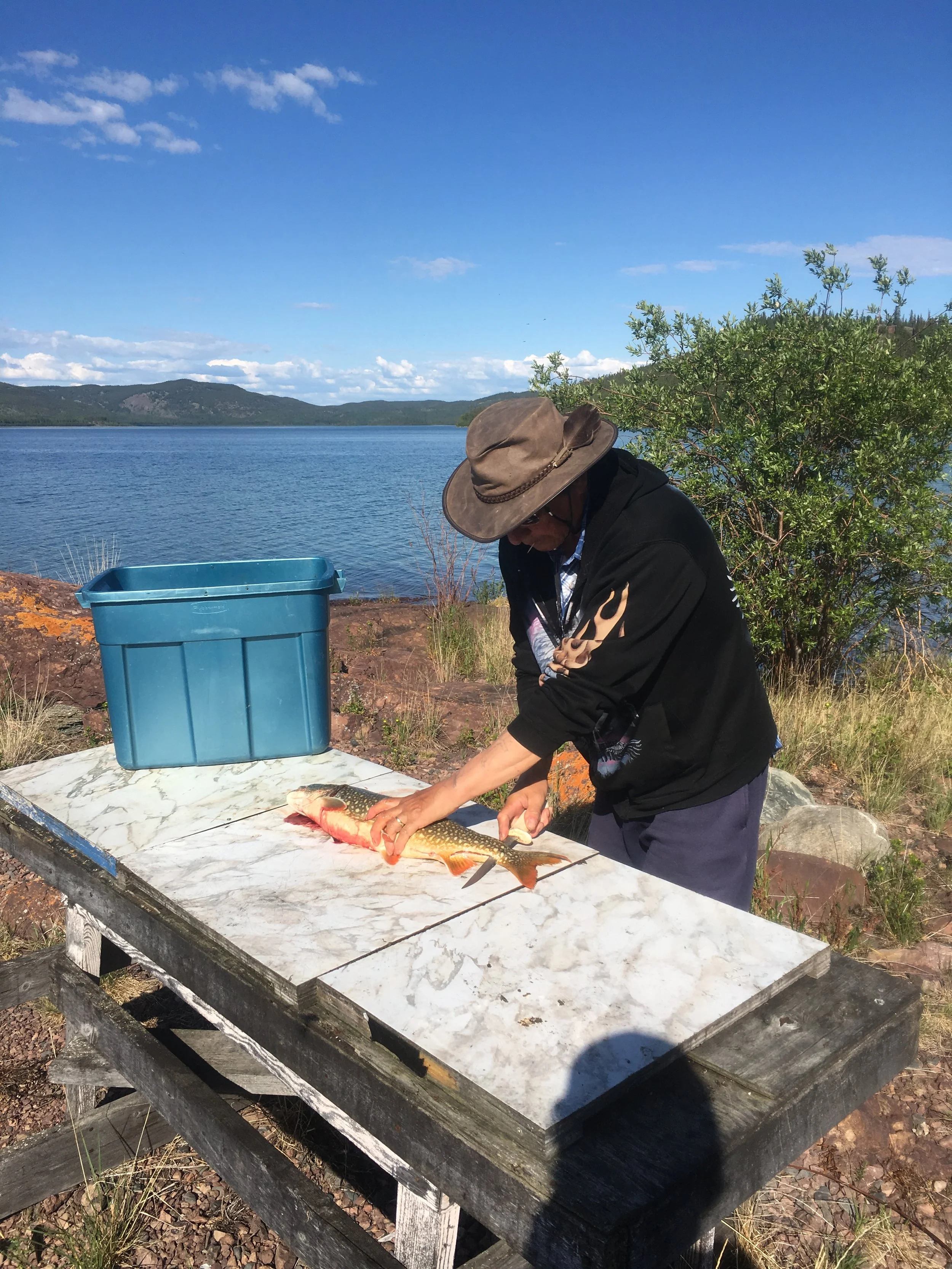
CanNorth works with Indigenous Nations to support development of Traditional Land Use (TLU) and Traditional Knowledge (TK) studies. CanNorth staff trains and supports community members to collect knowledge from Elders and key knowledge holders through interview and mapping programs. The CanNorth TLU and TK study model can also be adapted to collect information on other topics, such as biodiversity or harvesting.
Environmental Monitoring and Stewardship Programs
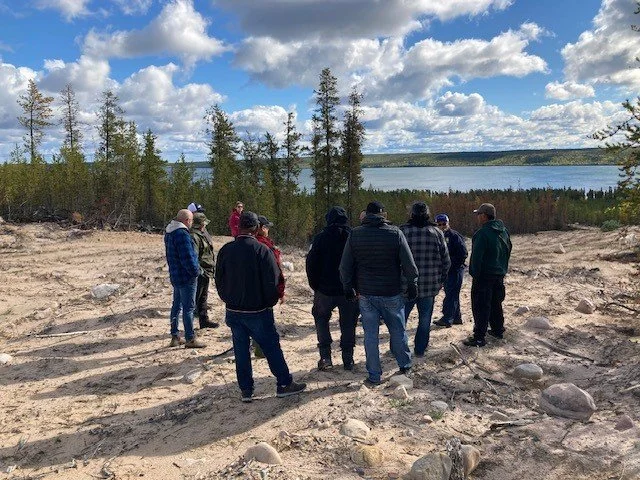
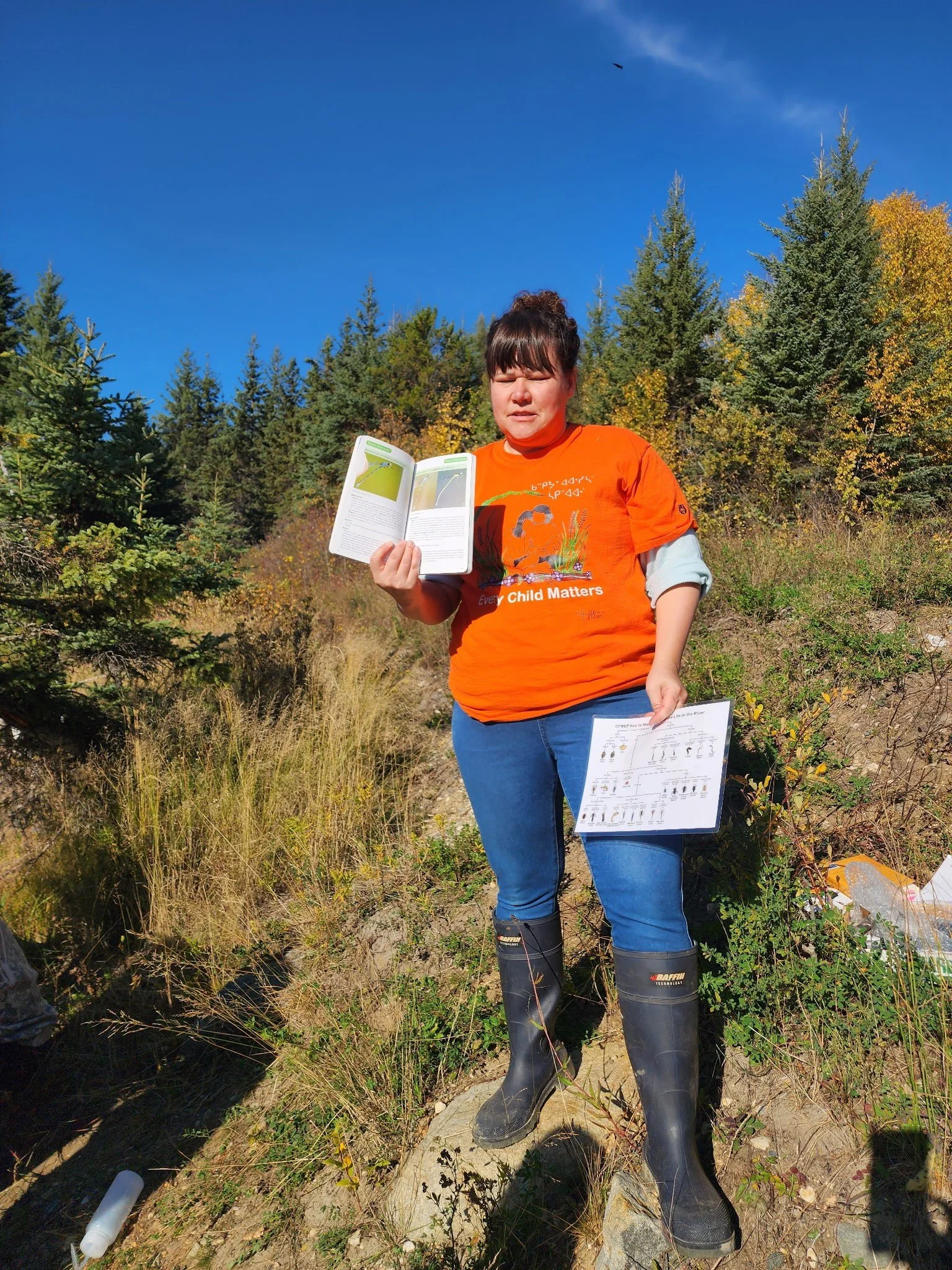
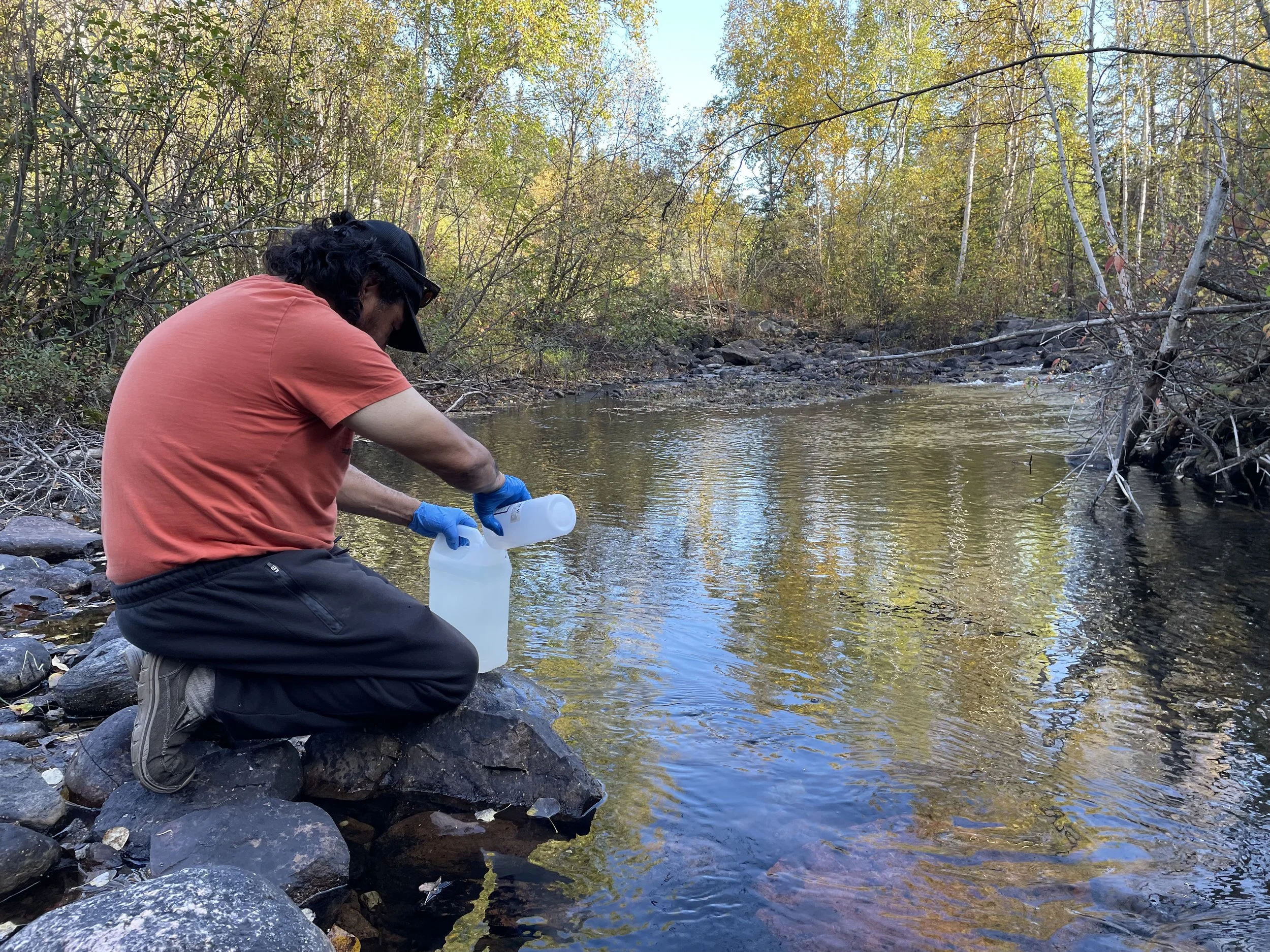
CanNorth provides planning, coordination, training, and mentorship for community-led or community-based environmental monitoring and/or stewardship programs. Some examples of programs that CanNorth has supported include the Cumulative Effects Monitoring Program led by the Lac La Ronge Indian Band and the Eastern Athabasca Regional Monitoring Program (EARMP).
Traditional Foods Studies
CanNorth works with Nations and communities to conduct traditional foods studies that assess consumption patterns and chemical safety of traditional foods hunted and gathered by Indigenous peoples and communities. These programs have a high level of community involvement and capacity building. CanNorth has coordinated over 15 traditional foods studies with over 18 Indigenous Nations or communities in northern Saskatchewan, Ontario, and the Northwest Territories.
Technical Advisory and Engagement Services
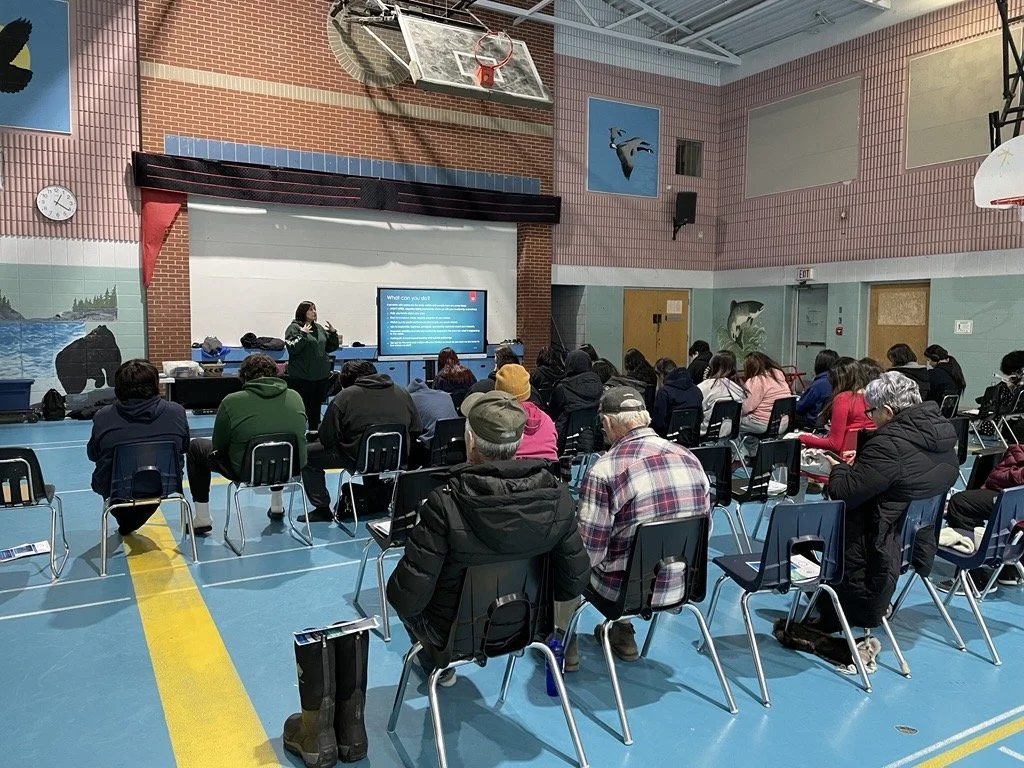
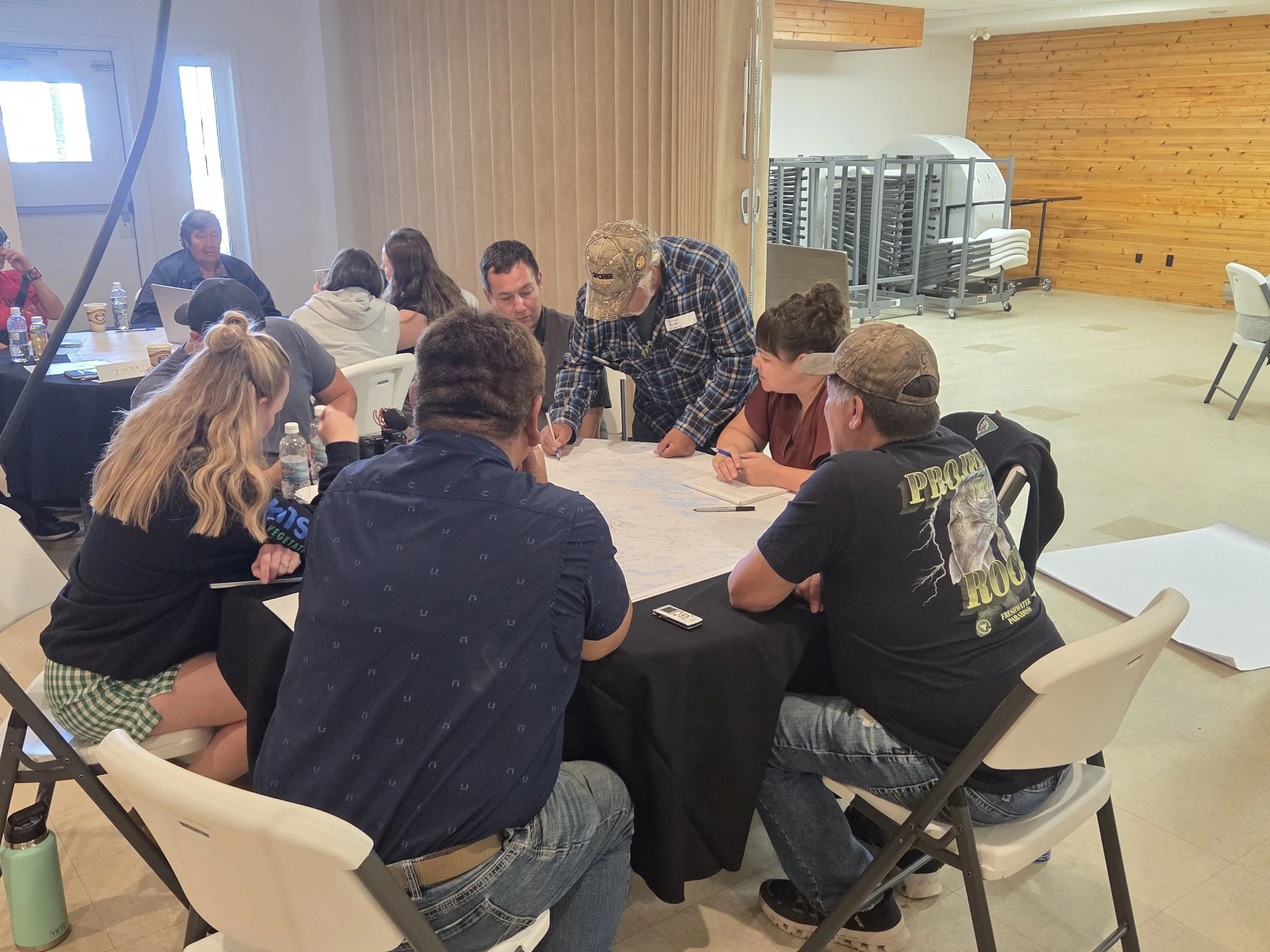
CanNorth works with Indigenous groups and communities to provide technical document reviews, advisory services, and to facilitate informed and effective communication. CanNorth provides both long-term ongoing advisory services and short-term advisory services as needed. CanNorth also provides engagement design, facilitation, and reporting services to Indigenous governments and organizations.
Training Programs
CanNorth staff have provided numerous training programs designed for members or citizens of the Nations or communities we are working for or with. Training topics are diverse, and programs are designed to meet the needs and interests of the Nation.